


KEY POINTS
Tuvalu, an archipelagic nation in the west-central Pacific Ocean and comprising nine small coral islands, is grappling with the immediate impacts of climate change.
Positioned as one of the most vulnerable countries to global warming, the nation faces a stark risk of submergence by the end of the century due to rising ocean levels, particularly threatening its low-lying atolls with minimal elevation above sea level.
The impending threat has instigated growing concerns within Tuvalu’s population, encompassing worries about displacement, loss of livelihoods, and the urgent necessity for international attention.
In response to this existential challenge, Tuvalu has launched the “Future Now Project,” an initiative encompassing three pivotal strategies to safeguard the nation’s identity, governance, and culture.
The first component of the initiative calls for global collaboration in addressing climate change, recognizing the shared responsibility in mitigating the impacts of global warming. The second aspect focuses on securing Tuvalu’s statehood and maritime boundaries, emphasizing legal protection in the face of potential land disappearance. Lastly, the project entails the creation of a digital nation.
At COP27 in 2022, Minister Simon Kofe announced Tuvalu’s goal to become the “First Digital Nation,” emphasizing the use of augmented and virtual reality to preserve Tuvalu’s cultural identity in the face of displacement. The goal is to enable displaced and future generations to exist digitally, keeping their traditions, language, and customs intact.
This digital transition involves the migration of government and consular services, along with administrative systems, into the cloud. The aim is to empower governmental entities to function effectively while ensuring accessibility to essential services.
The digital migration has already started, with experts collaborating to catalog, map, record, and preserve historical documents, cultural practices, family albums, traditional songs, and other facets of Tuvaluan culture.
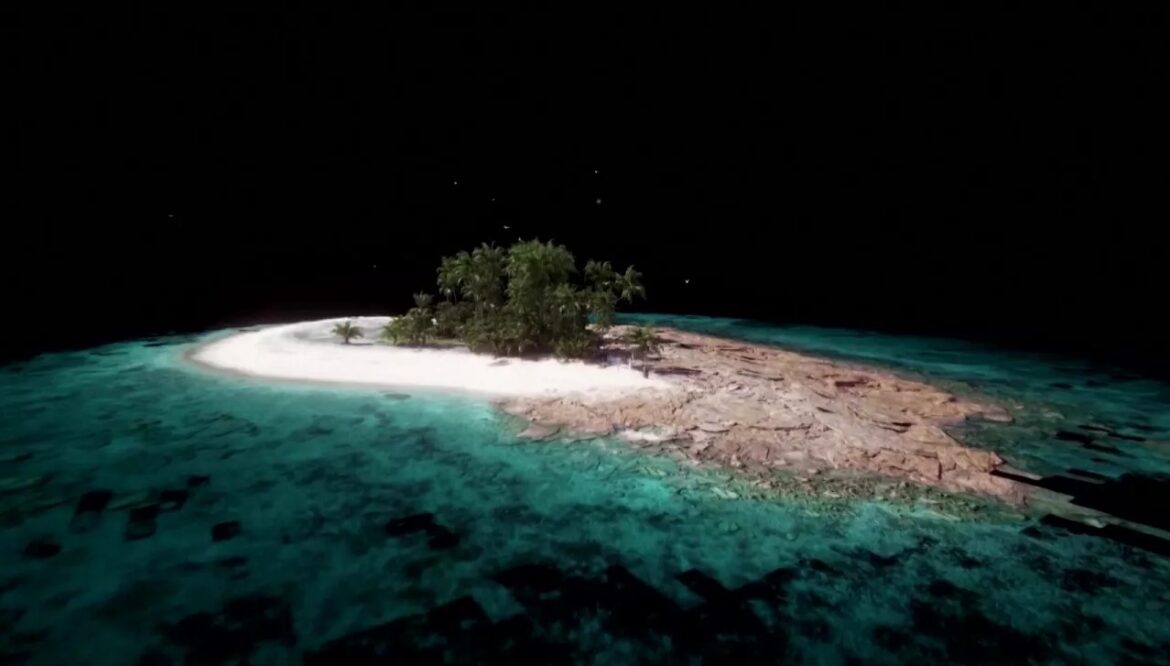
Te Afualiku — the smallest island of Tuvalu — is likely to be the first part of the country to be affected by climate change and possibly lost. As such, it is slated to be the first area to undergo digital recreation.
Building on these efforts, Tuvalu has started the exploration of a digital ID system, employing blockchain technology to connect the Tuvaluan diaspora and facilitate their participation in Tuvaluan life from any location. Additionally, the nation is establishing a digital living archive of Tuvaluan culture, curated by its people.
These advancements, introduced at COP28 in 2023, underscore the tangible applications of the metaverse in addressing real-life challenges, even in worst-case scenarios. The ability to preserve culture, traditions, and languages holds immeasurable value, providing a sense of continuity and belonging for populations facing the physical constraints imposed by climate change.